GuideCardiff
Five Running Routes from Lisvane
Five real running routes from Lisvane in north Cardiff - a flat reservoir loop, a hilly trail over Caerphilly Mountain, and the Taff Trail run into the city centre.
My favourite winter running routes for South Wales & Cardiff including personal experiences, plus the kit that holds up in a Welsh winter.
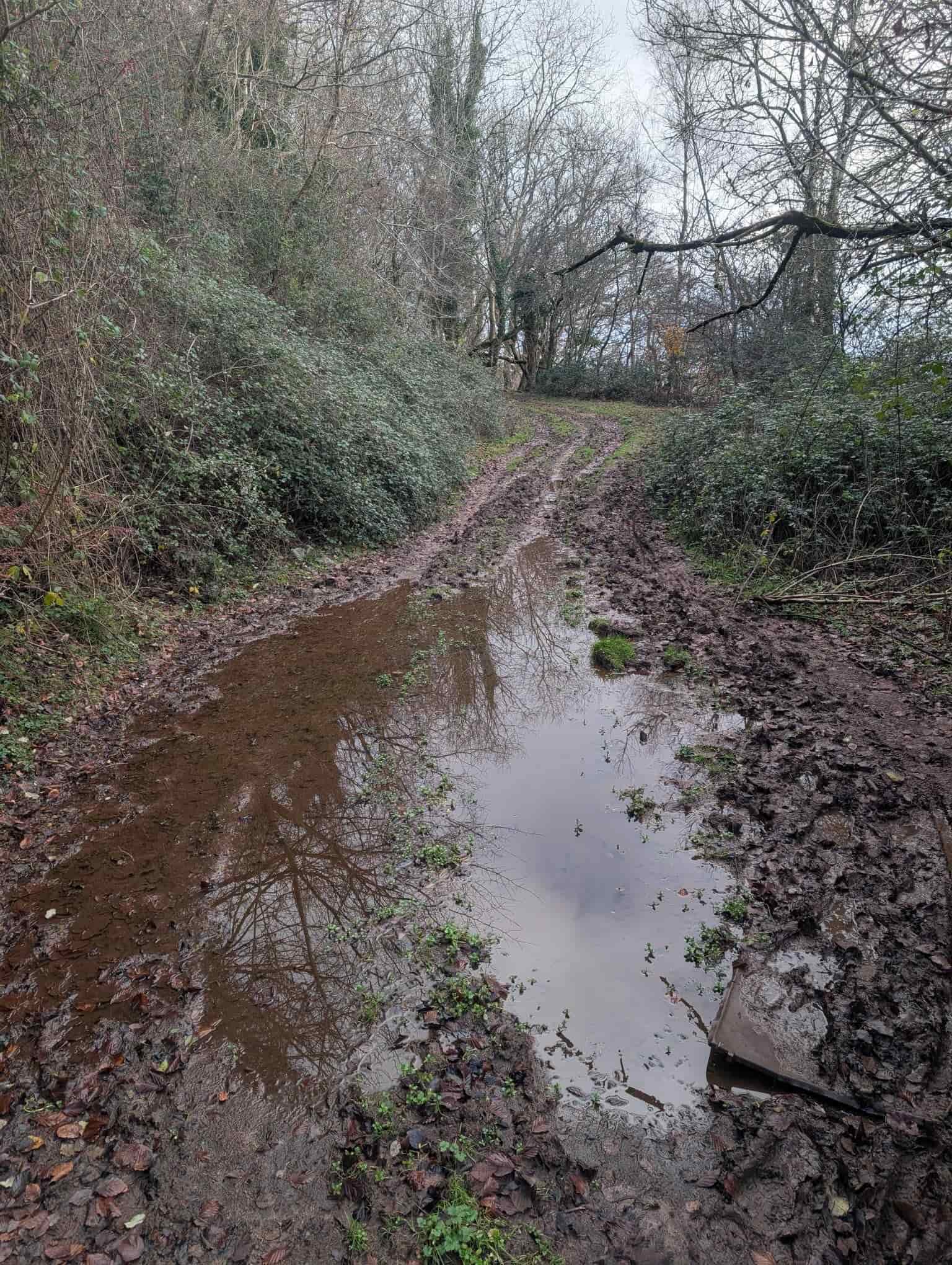
I've covered three routes below, routes I've run repeatedly in the winter, and covered the key details below. Read on to find out my current recommended routes for winter 2026, and come back in early 2027 for a refresh after many more miles of running.
If you want one route you can commit to on a wet Tuesday in January without checking anything, take the Taff Trail. The majority of it, especially towards Cardiff, is good quality going - a mix of gravel, stone and tarmac, mostly gentle and traffic-free. The 13 km or so from Cardiff Bay through Grangetown, Sophia Gardens, Pontcanna Fields, Hailey Park and Forest Farm to Tongwynlais takes standing water after heavy rain, but it's rarely impossible to pass.
What changes that answer is the Taff itself. Pontcanna Fields and Bute Park are engineered floodplains, and Cardiff Council expects them to flood when the river runs high because that keeps the water off everywhere else; the council's own account of Storm Bert is that the Pontcanna floodplain did exactly that. On those mornings it isn't a muddy path, it's a field with a river across it.
North of the city it's less dependable. Rhondda Cynon Taf Council says the stretch between Trallwn and Cilfynydd is prone to flooding in heavy rainfall and that this has caused significant closures. A 1.5 km section north from the Ty Isaf railway bridge shut over the winter for storm damage works and reopened in the spring, after an 80 m stretch was moved away from the river.
The South Wales Coast and Severn Estuary stretch of the Wales Coast Path covers 176 km from Kenfig Dunes to Chepstow, through Bridgend and the Vale of Glamorgan among others. A real mix of terrain. Expect plenty of mud but rarely unpassable mud, and plenty of wide sections with good going underfoot.
What gets you here is the wind and the descents. Kenfig, Porthcawl, Ogmore and Aberthaw are all very exposed, and on the higher points of the cliffs the wind sets your pace for you. Some of the steep descents are very slippy.
Around the Merthyr Mawr stepping stones the mud can be especially deep, so be careful here, and the stones can be unavailable altogether. At higher tides or after heavy rain they're impassable: the river too deep and too strong to cross safely, the stones slippery with uneven gaps. The alternative is the footbridge upstream to the east. One walking group gave up on starting at Ogmore Castle after a week of rain and drove round to Candleston instead. Cadw calls the Ogmore Castle car park "uneven"; it holds around 20 cars and is liable to flooding.
Signal is patchy across the Merthyr Mawr Warren and the dunes, so download the map. My winter running here has been mud and wind rather than a total washout, but the mud can be deep. The path is open all year and, per its own site, never closed.
The perfect spot from my home in North Cardiff, and easily reached by train from any station in the city - about 15 minutes from Cardiff Central in my experience, though that's my experience and not a timetable.
It's muddy all year round and especially bad in winter, which is the normal state of the place rather than the aftermath of a wet week. parkrun's course page for Coed Cefn-pwll-du, run entirely on trail paths, warns that sections accumulate mud, leaves and puddles after rain - even in summer -and the circular route from the car park just outside Rudry through Llwyn Hir follows mostly gravel paths and crosses several streams, with muddy spots noted.
Stay in the woods. I've found the parts around Rudry Common can become knee deep, so be careful here - it's better under the trees than open ground. The woodland is Natural Resources Wales ground and has had felling work in it, so follow whatever signs and diversions are up on the day.
Using the parking for Coed Cefn-pwll-du gives a good starting point with a selection of both roads and trails to pick from depending on the weather, which in December is the whole argument for it - you decide after you've got out of the car and seen it.
The road beside the start is a narrow single-track lane with no parking, so avoid that and park either in Machen or at the Llwyn Hir car park. From the latter, you can run down the road to Draethen, which is pretty although quiet.
Light is the other constraint. Cardiff gives under eight hours of daylight on the shortest day, earliest sunset around 16:05 in mid December and latest sunrise around 08:16 at the end of it. Under the trees you lose usable light well before the road does, so consider a head torch if going out in the afternoon.
I wear the New Balance Fresh Foam X Hierro v8. A solid all purpose terrain shoe with enough grip for muddy trails and enough cushioning to be comfortable on the road, which is what makes it work on Caerphilly Mountain, where you might start on lane tarmac and finish on gravel. Fine for most of the year; you have to be careful on the muddiest sections, and the trade off of being comfortable on tarmac is worth it.
Several independent reviewers disagree with the first half of that. They rate the v8 for gravel, smoother trail and road-to-trail use, and iRunFar judge the lugs as too shallow for deep mud or very soft ground. Rudry Common in February is the ground they mean, and I may end up buying a more aggressively treaded shoe this winter.
Unsurprisingly the main ingredient for other kit is a really good waterproof jacket, and taped seams. I'm a big fan of the inov8 Raceshell, which packs up small.
It's a half zip which I prefer (no risk of it flapping around in the wind), with a waterproof rating of 15,000 HH and taped seams. This is often a requirement for ultra races, so better to buy once than need to buy again. It's breathable and weights just 100g. I actually picked mine up for cheap off Vinted last summer; worth keeping an eye out.
None of that solves the failure you'll actually have on a long Welsh winter run, which is being wet from the inside. In my experience waterproof jackets are rarely breathable, so they increase heat and trap sweat. inov8's own guidance is a long-sleeve top underneath to wick it off your skin; a fresh top left in the car or carried in your vest/pack to change into is always worthwhile. For running vests you can't go wrong with Salomon.
Finally, always take your standard safety kit, food and water - always plan for the worst with the Welsh mercurial weather.
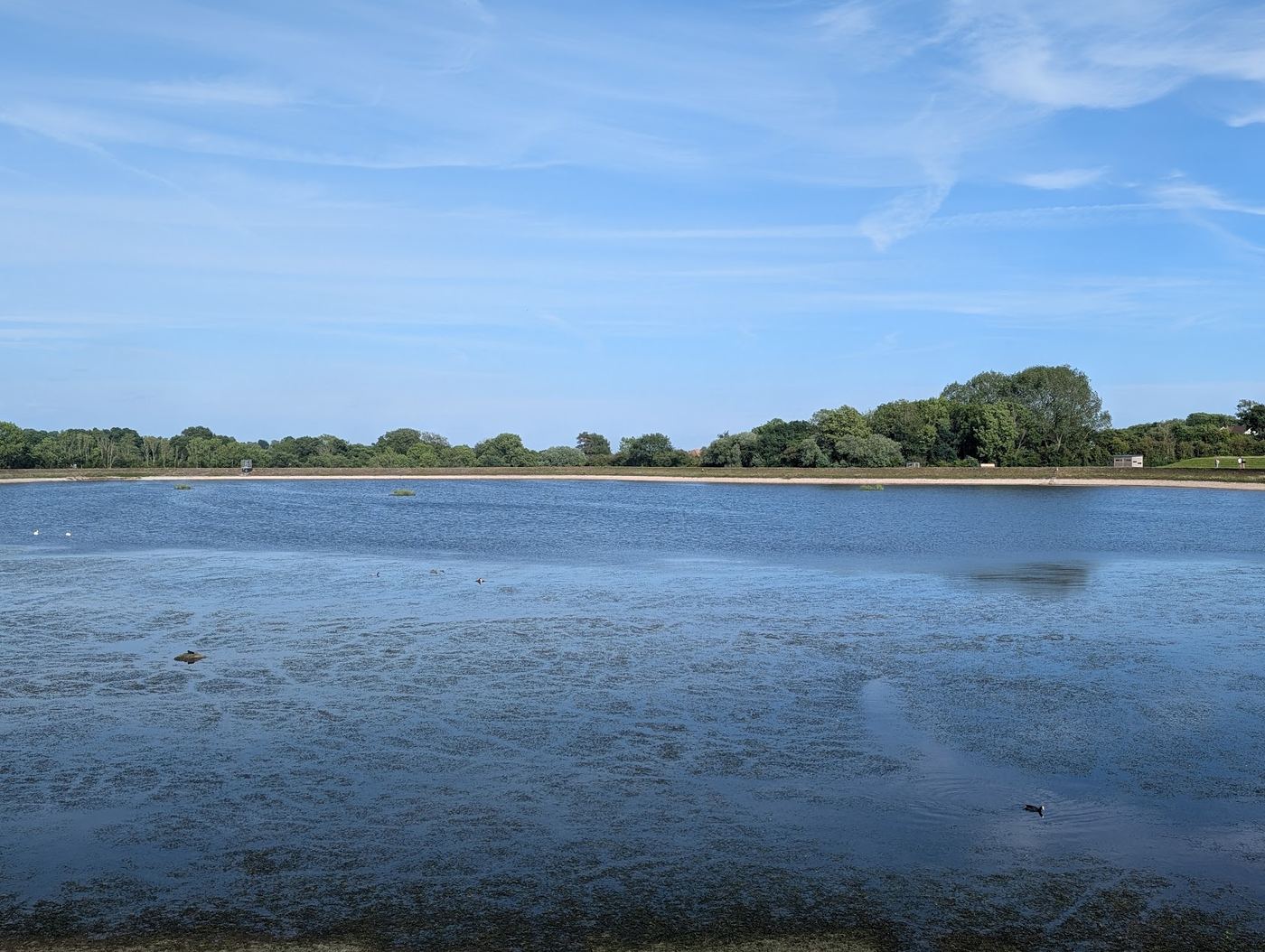
Five real running routes from Lisvane in north Cardiff - a flat reservoir loop, a hilly trail over Caerphilly Mountain, and the Taff Trail run into the city centre.
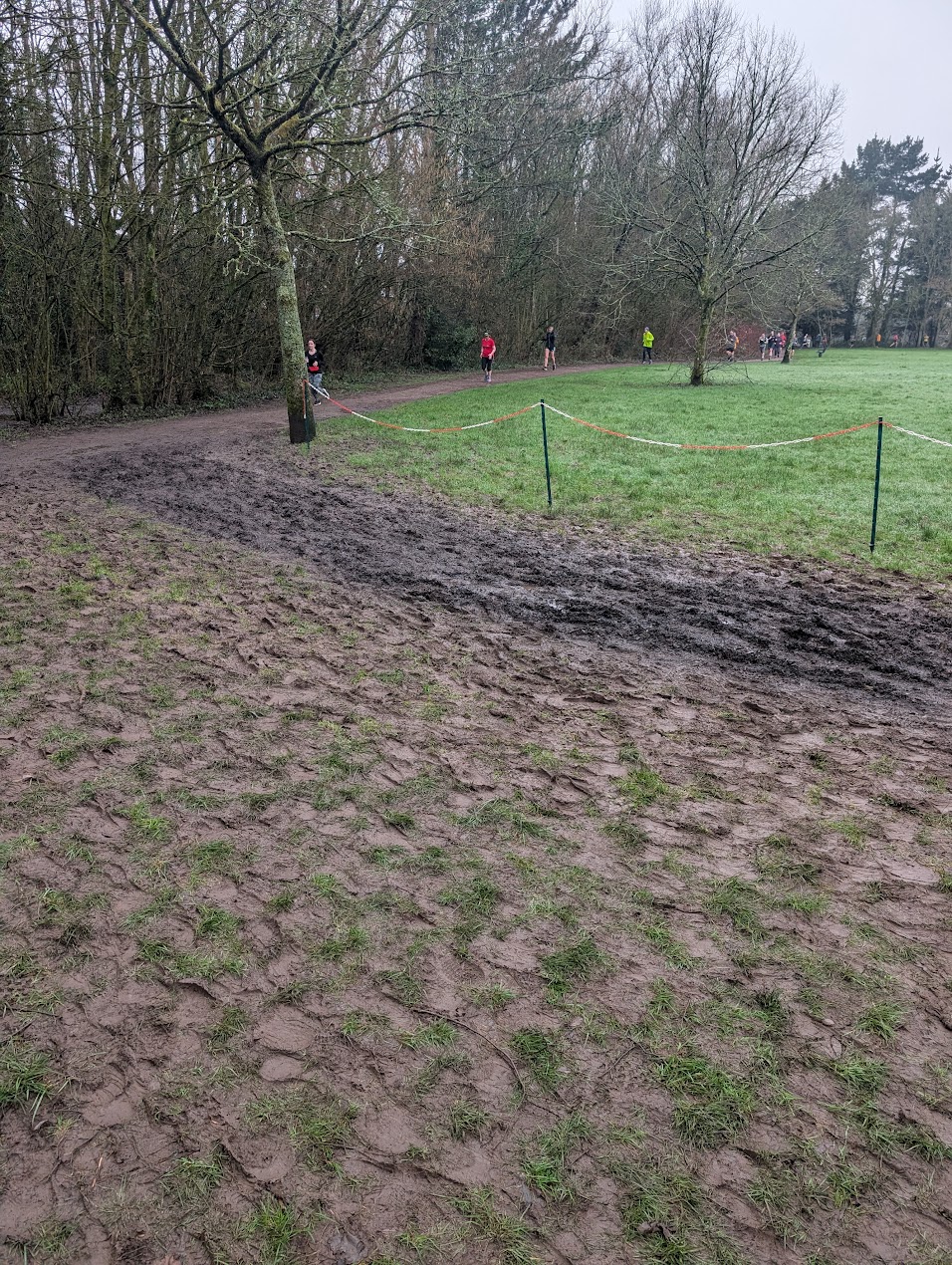
All six parkruns in and around Cardiff, run and rated - course, PB potential, winter conditions and parking, from someone who has run every one of them.
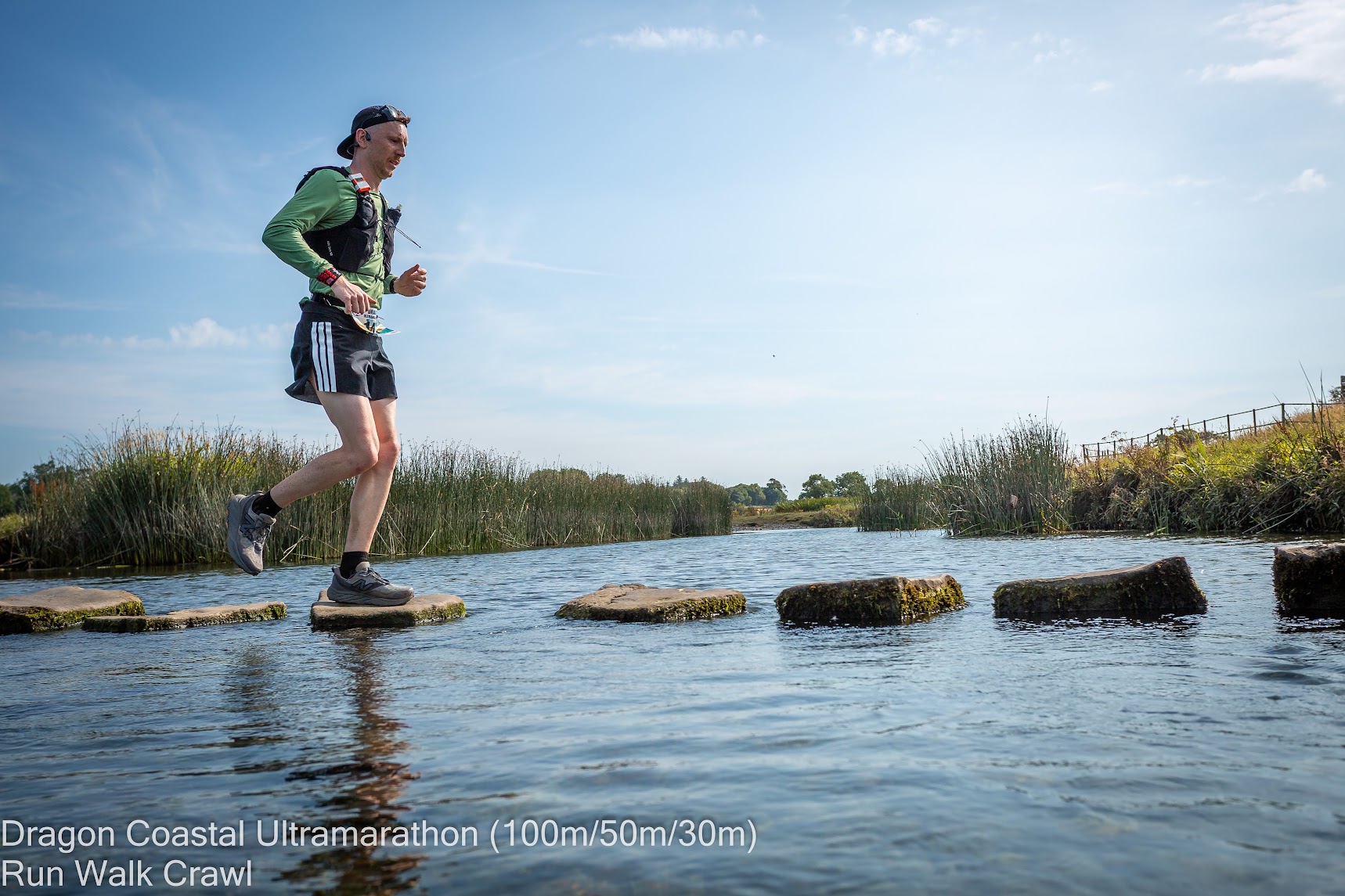
Second place in 8:23 over 80 km of the Glamorgan coast - going out far too fast, running out of water in the heat, and what an ultra actually asks of you.